The New Yorker's "Political Scene" podcast and its reporting on the New York City Council speaker race illustrate the magazine's reach from national policy analysis to granular local politics.
The New Yorker's iconic cover illustrations have long served as a barometer of American culture, transforming each week's news and social currents into singular works of visual art.
Saul Steinberg's iconic New Yorker cover, "View of the World from 9th Avenue," endures as a witty and penetrating commentary on provincialism and the subjective nature of perspective.
A distinct class of cultural visionaries is quietly reshaping modern aesthetics across art, design, and lifestyle -- not by chasing trends, but by curating experiences and championing emerging talent with an unwavering commitment to authenticity.
The cancellation of a long-standing regional arts column by a major news publication raises alarms about the future visibility of local artists and the communities that depend on dedicated cultural coverage.
National security investigations into semiconductor and pharmaceutical imports signal a broader push to reduce U.S. reliance on foreign supply chains for strategically critical goods.
Trade tariffs intended to protect domestic industries carry significant risks, from higher consumer prices and retaliatory measures abroad to broader disruptions in global commerce.
The Washington Post's decision to end its tradition of endorsing presidential candidates has ignited debate over whether newspapers are abandoning civic duty or adapting to a transformed media landscape.
As polarized discourse and algorithmically amplified outrage dominate public life, the deliberate practice of nuanced thinking has become both rarer and more essential to democratic debate.
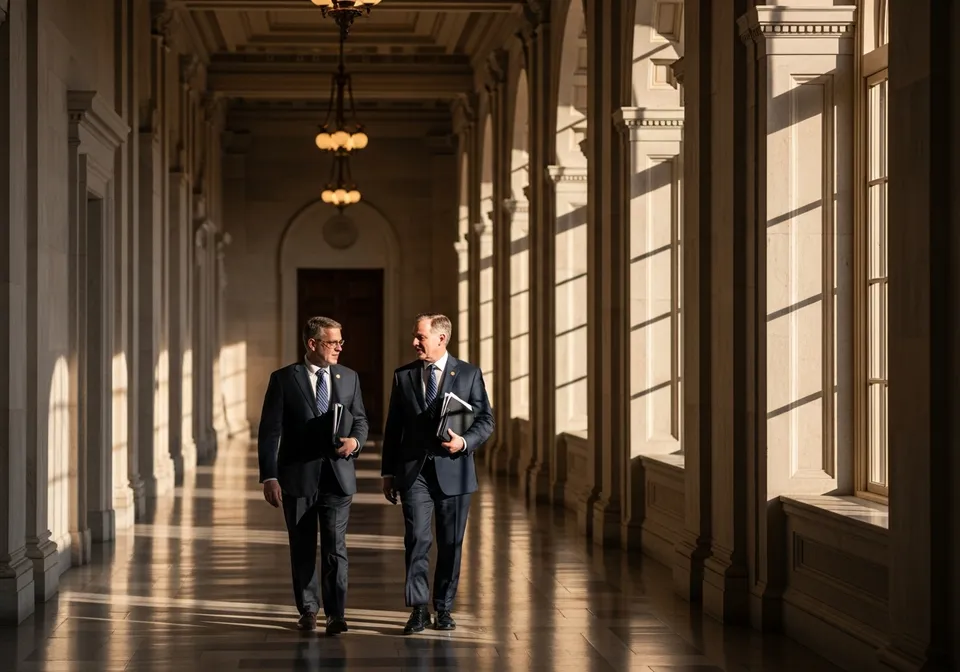
The journey from policy idea to enacted law is far messier than any civics textbook suggests, built on committee gatekeeping, back-channel negotiations, and the deliberate architecture of compromise.
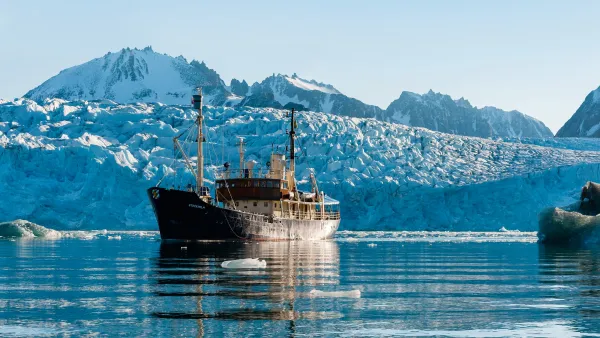
Receding Arctic ice is opening shipping routes that were once impassable, triggering a quiet but intense competition among northern nations over trade, sovereignty, and environmental stewardship.
From Lagos to Nairobi to Cape Town, a generation of entrepreneurs is building a technology ecosystem that global investors and multinational firms can no longer afford to overlook.
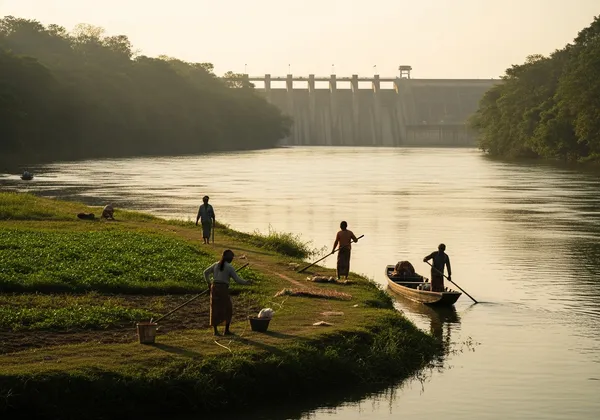
As climate change disrupts rainfall patterns and populations swell, the rivers that cross national borders are becoming some of the most contested spaces in international diplomacy.
The United States and Iran have agreed to indirect, Oman-mediated talks on Tehran's nuclear program, marking a cautious but significant step toward renewed diplomatic engagement.
The journey from policy idea to enacted law is far messier than any civics textbook suggests, built on committee gatekeeping, back-channel negotiations, and the deliberate architecture of compromise.
Receding Arctic ice is opening shipping routes that were once impassable, triggering a quiet but intense competition among northern nations over trade, sovereignty, and environmental stewardship.
The company's new omni-modal model processes text, images, audio, and live video at once, part of an intensifying race to build AI that perceives the world the way people do.
Artificial intelligence stands poised to reshape healthcare, education, and the global workforce, but experts warn that ethical safeguards and workforce adaptation strategies must keep pace with rapid technological advancement.
From Lagos to Nairobi to Cape Town, a generation of entrepreneurs is building a technology ecosystem that global investors and multinational firms can no longer afford to overlook.
A new editorial directive at The Washington Post narrowing its opinion section to free-market perspectives has triggered the resignation of the paper's opinion editor and reignited debate over ideological diversity in major media outlets.
Proposed tariffs on Chinese imports threaten to raise prices on gaming consoles and consumer electronics, with industry analysts warning of broader ripple effects across the technology supply chain.
The New Yorker's iconic cover illustrations have long served as a barometer of American culture, transforming each week's news and social currents into singular works of visual art.
National security investigations into semiconductor and pharmaceutical imports signal a broader push to reduce U.S. reliance on foreign supply chains for strategically critical goods.
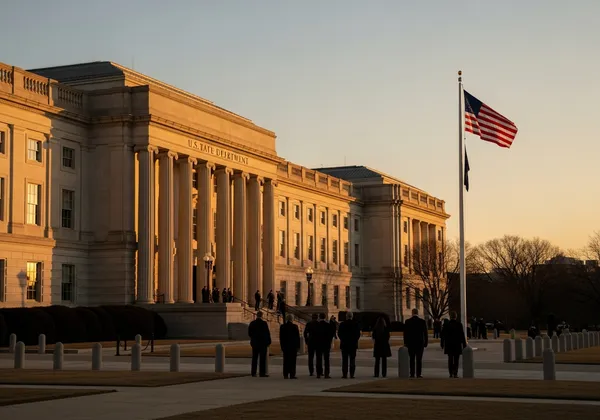
Proposed deep cuts to State Department funding have alarmed foreign policy experts who warn that diminished diplomatic capacity could weaken U.S. influence abroad and force greater reliance on costlier military interventions.
As climate change disrupts rainfall patterns and populations swell, the rivers that cross national borders are becoming some of the most contested spaces in international diplomacy.
A directive from owner Jeff Bezos to refocus the Washington Post's opinion pages around free-market ideology has prompted the resignation of the paper's opinion editor and reignited debate over ownership's role in editorial independence.